
Phone:
+(501) 523-4045
Email:
placenciatourismcenter2020@gmail.com
Address:
Placencia Village
Placencia Tourism Center, on The Sidewalk near the Municipal Pier (across from The Point)
Opening Hours
Mon to Fri: 9am to 5pm
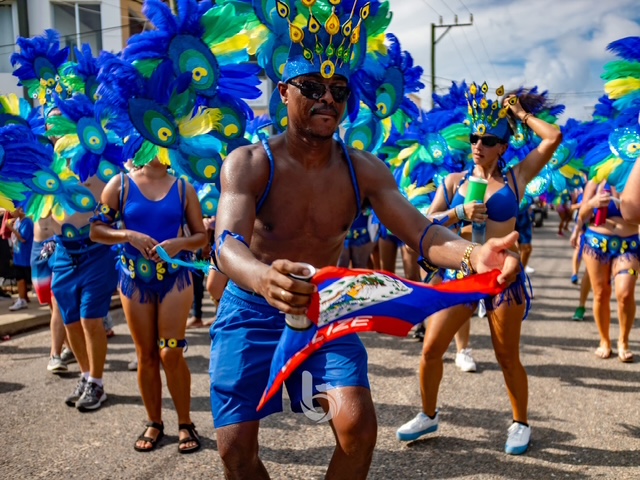
Belize is a small country (geographically the entire country comprises less square miles of land than the state of Massachusetts, the United States’ seventh smallest) with less than 500,000 people but that comparatively minuscule population is vastly diverse and culturally rich. The mix of historic influences and unique blend of peoples present in Belize are fascinating. Visitors should attempt to traverse much of the small nation and delve deep into the varying cultures, current natural beauty, and awe-inspiring ancient Maya history, but Placencia Village offers a good place to start your discovery journey. Here, you can easily get a taste for the varied cultures of the country and an introduction to its fascinating past.
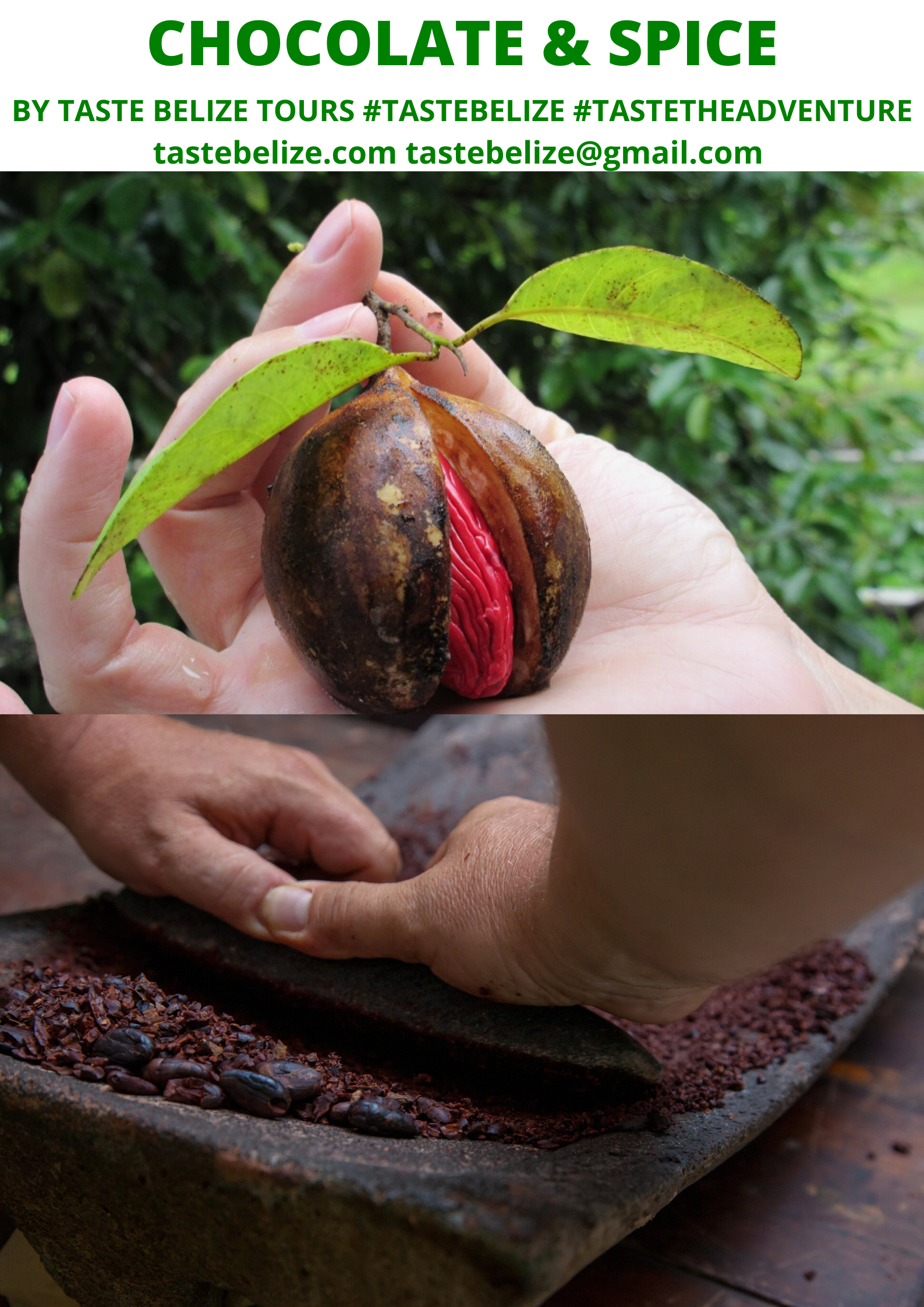
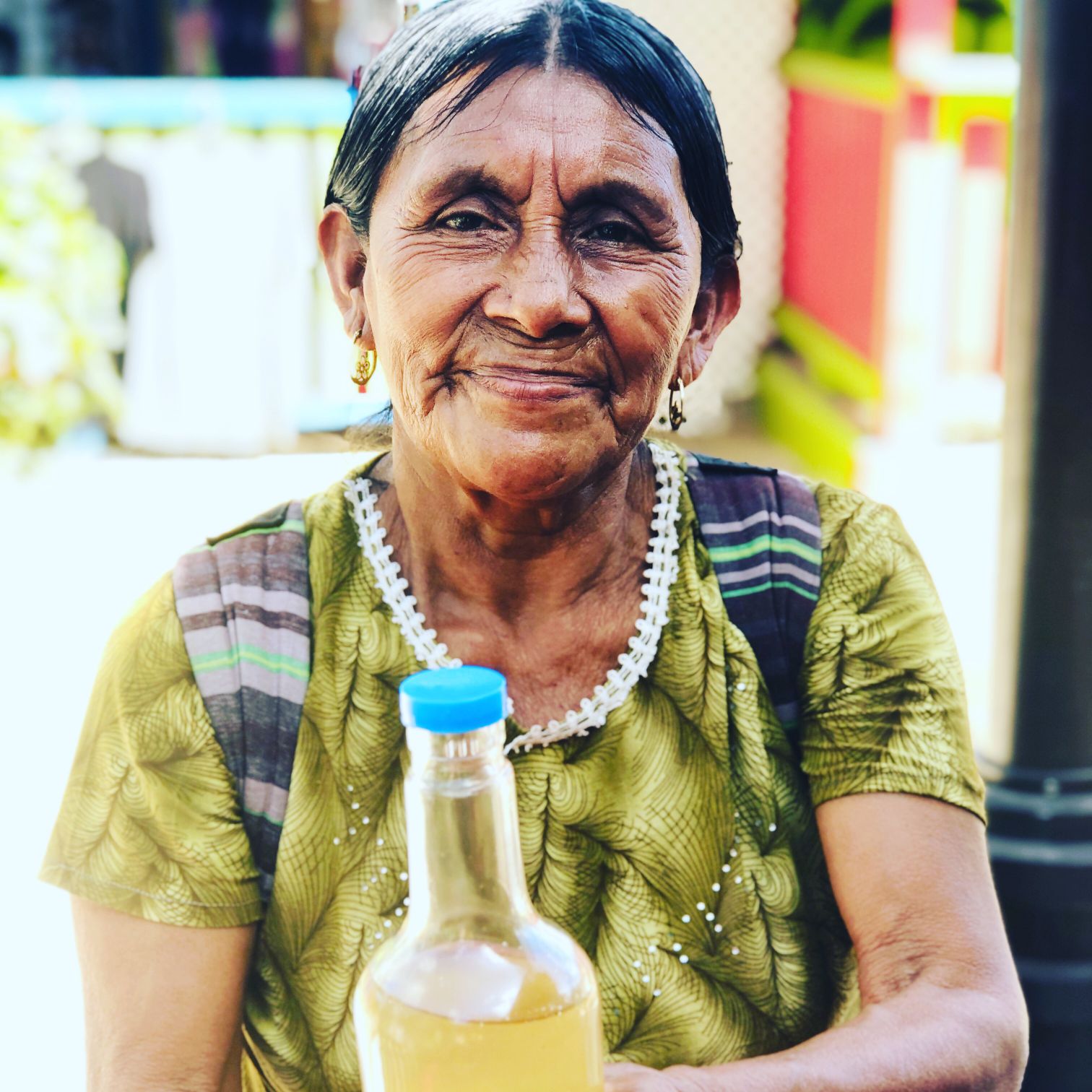
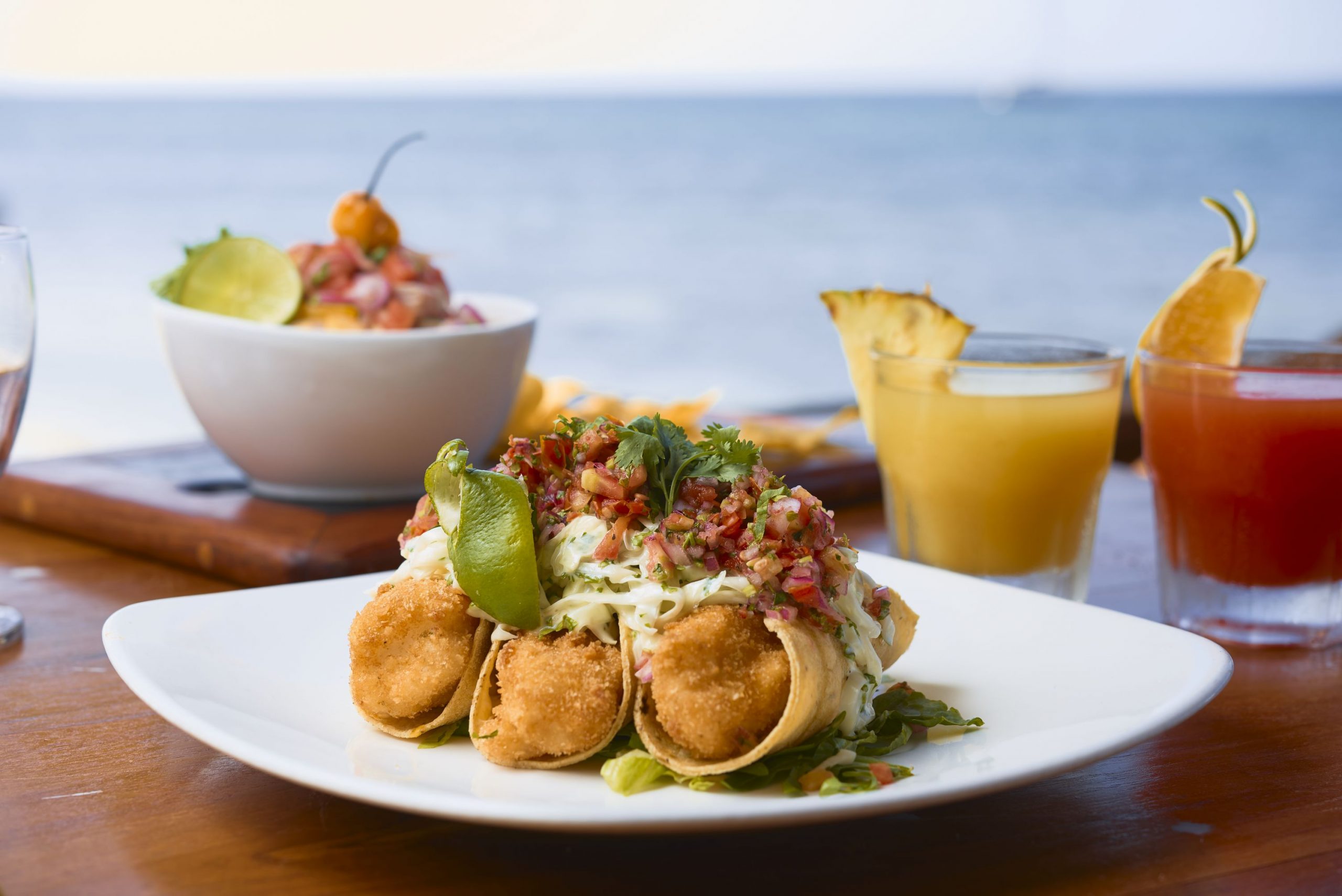
Not only a great way to get your sense of direction and lay-of-the-land when you arrive in Placencia, but a phenomenal introduction to Belize’s cultures…through their cuisine! Taste Belize’s founder, Lyra Spang, holds a doctorate in the anthropology of food, and herself grew up on an off-the-grid organic cacao farm in the jungles of Southern Belize. There are few people more knowledgeable or passionate about Belizean cuisine, how history has shaped what we put on our plates, and how our heritage foods must be honored, shared and cherished. Let Lyra guide you through Placencia Village on a walking tour where you will sample dozens of regional specialties like locally sourced seaweed shakes, Latin-American influenced pupusas and garnaches, seafood curry (an adaption from our East Indian populace), and herbaceous Belizean bitters infused with roots from our rainforests.
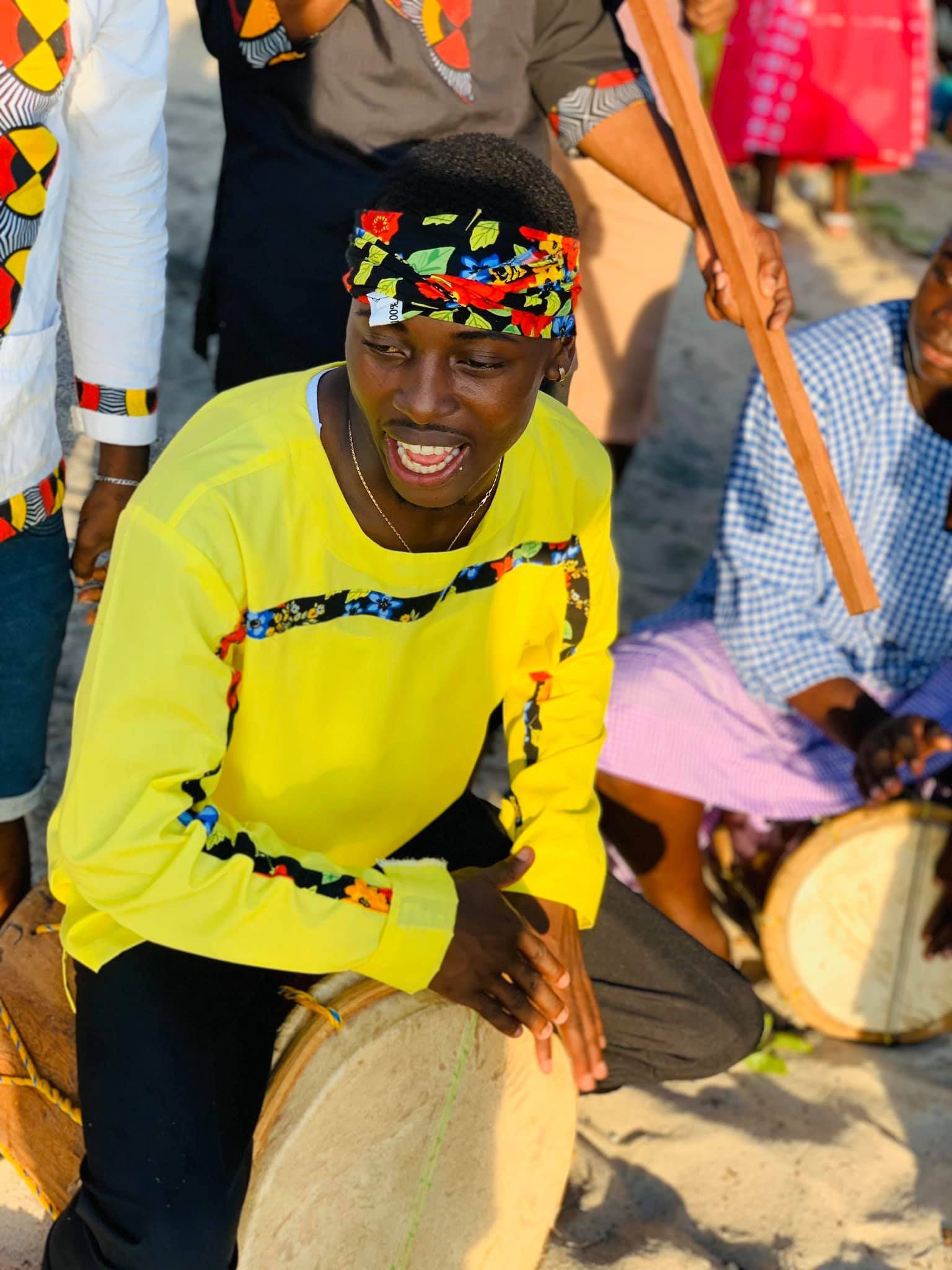
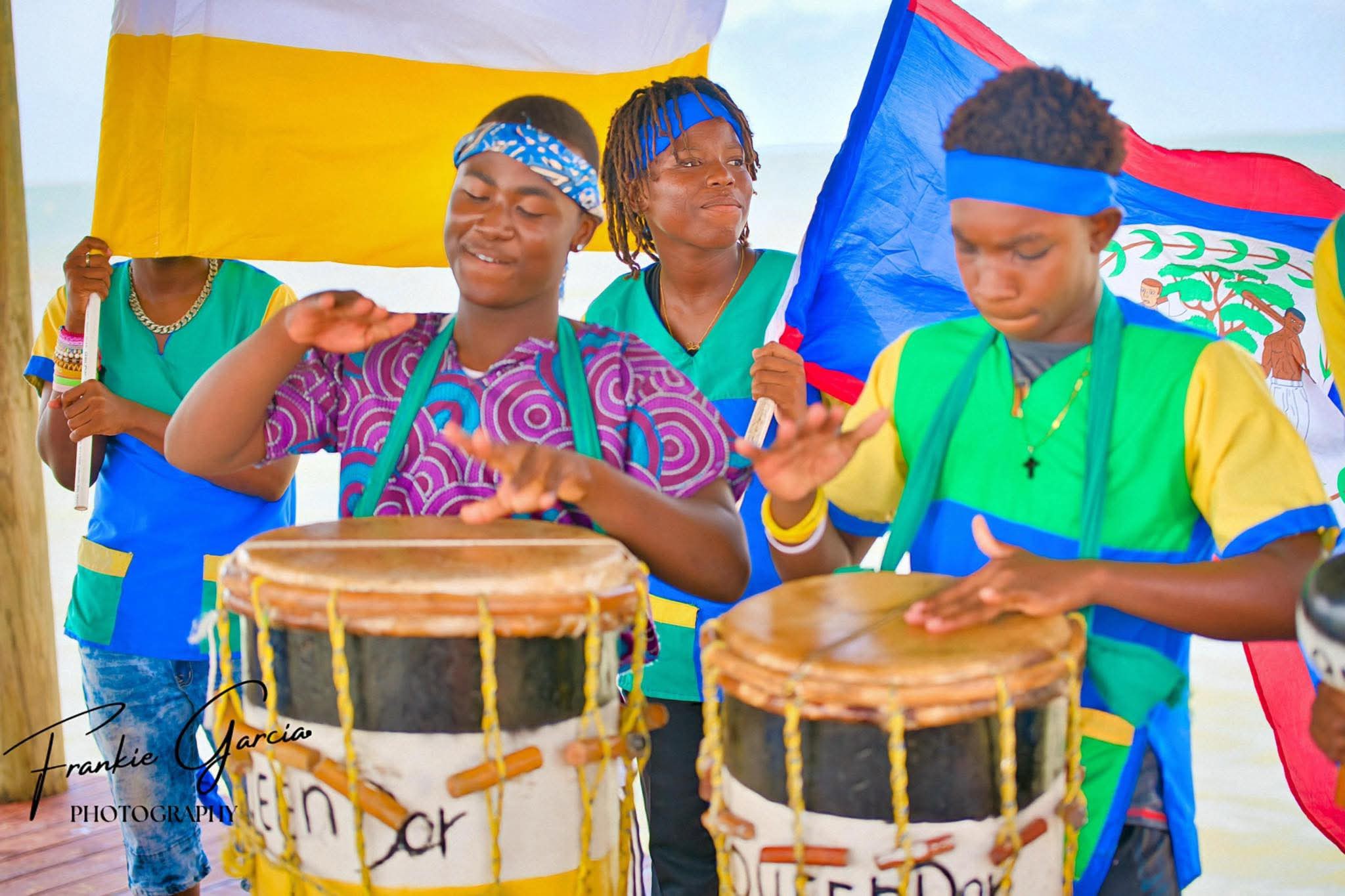
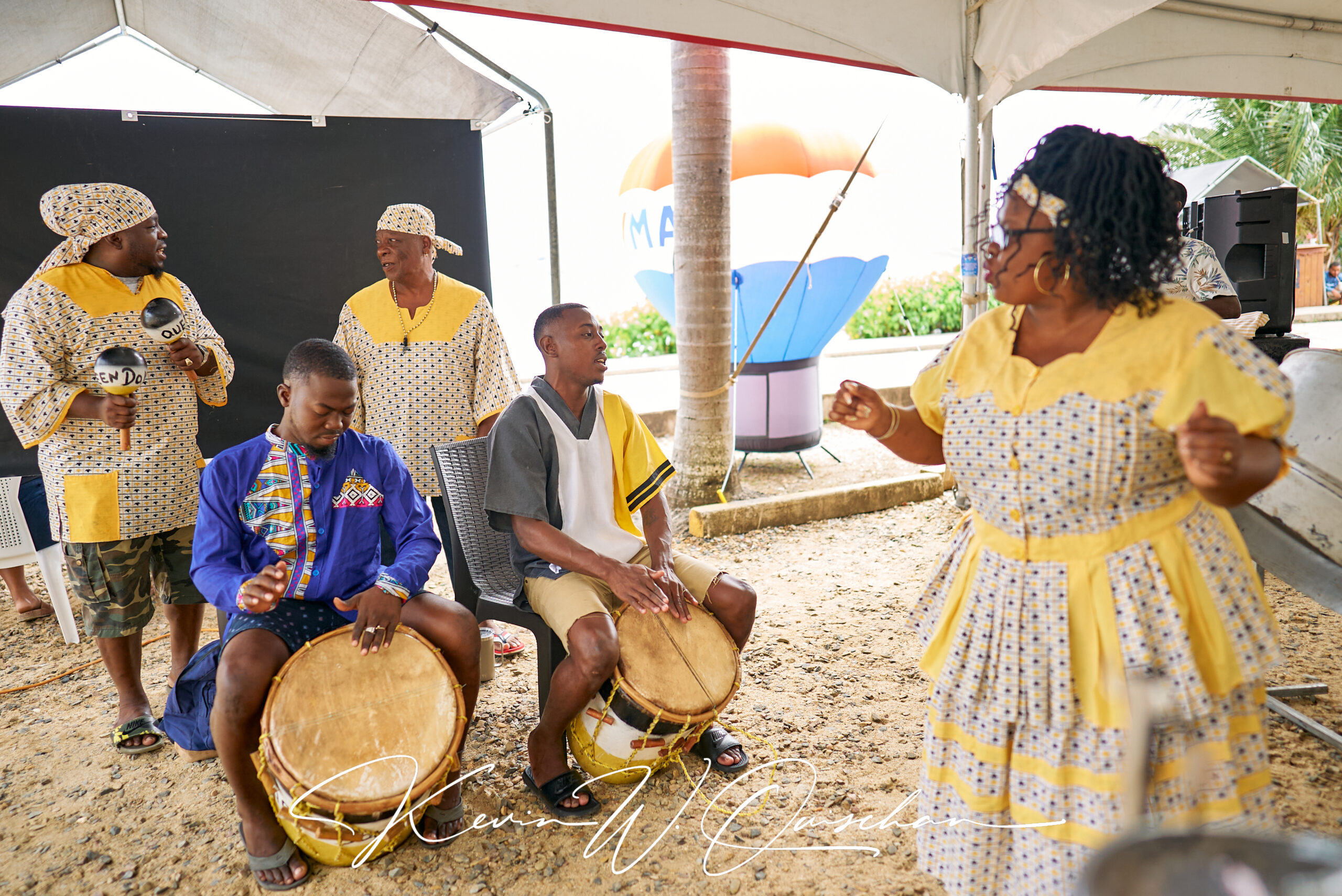
A village icon, the colorfully painted Barefoot Beach Bar is a favorite meet up spot for both locals and international visitors. Any day of the week you can enjoy great food and drinks, bask in the sun and sea, drop in for a game of horseshoes, or catch some of their musical entertainment. But each Tuesday night, visitors come out to watch the drumming and dancing demonstration by a local Garifuna group of talented performers. The proud tradition of drumming endures today as the “heartbeat” of Garifuna peoples. The Garifuna Culture arose in the Caribbean (initially on the island of St. Vincent) from the mixing of the native Arawak people and shipwrecked would-have-been-slaves from West Africa. The blending of these two peoples’ knowledge, practices, and bloodlines gave birth to the Garinagu or Garifuna as we say here. The Garifuna were exiled from St. Vincent to Roatan by the British but this intrepid group re-established themselves and eventually branched out to mainland Honduras, Guatemala, and Belize. Nearby Seine Bight village is one of the original Garifuna settlements in Belize, so Placencia’s history is undeniably tied to this unique culture. Tipsy Tuna pays homage to and relishes sharing the fascinating past and enthralling musical practices of the Garifuna.
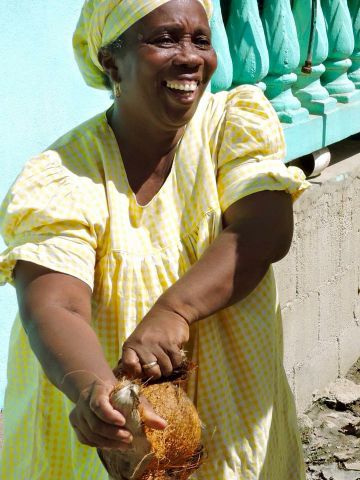
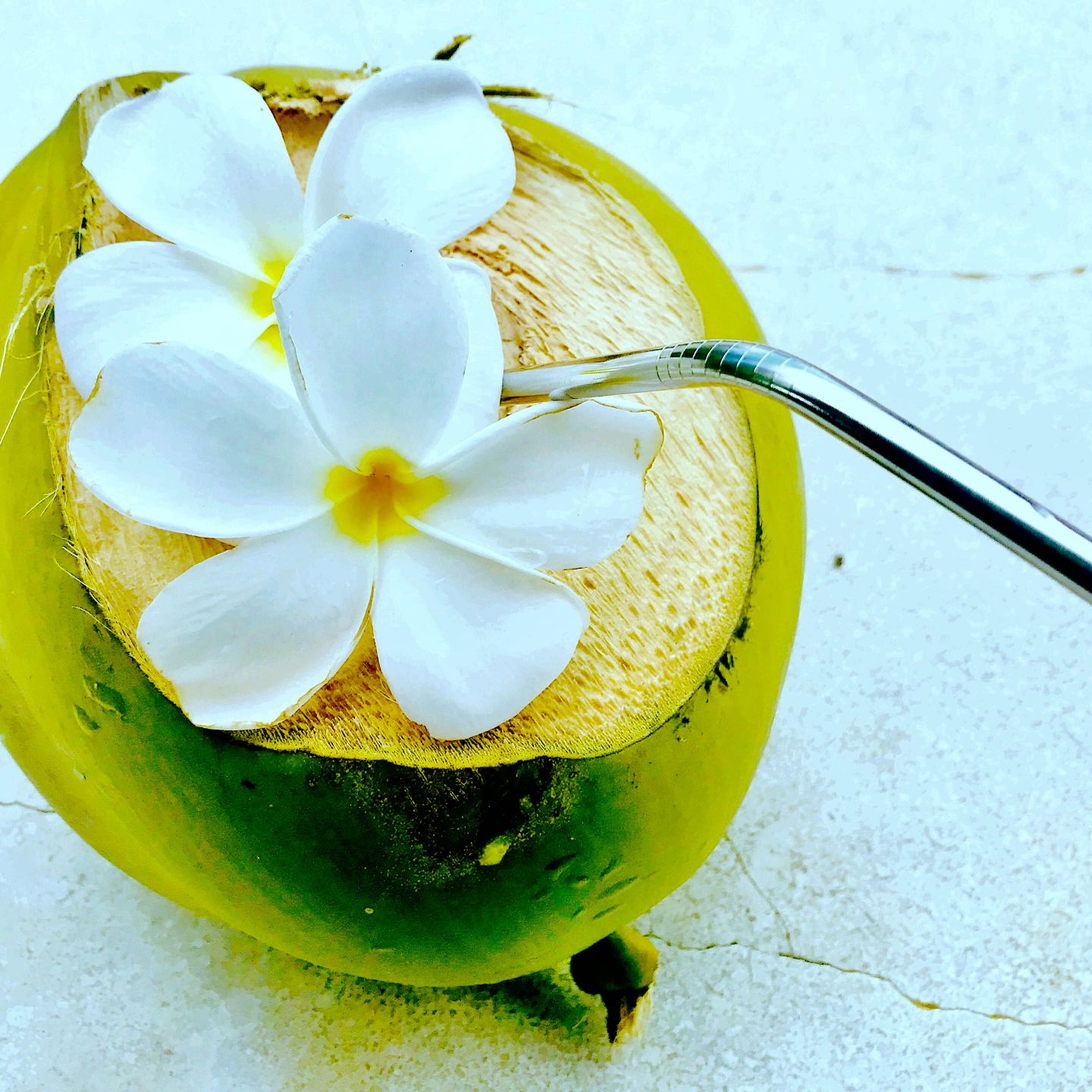
What used to constitute Belize’s majority population before recent influxes in migration from other parts of Central America, the Belizean Creole (or Kriol) culture is synonymous with the country’s societal identity. A rather broad demographic of Afro-Europeans, many mixed-raced Belizeans identify as Creole but their ancestry could include Mestizo, Maya, Chinese, and East Indian as well. The Creole customary cuisine is a mixed bag of delightful dishes that borrow aspects and flavors from the many ethnologies that construct the culture today. Learn to use staples such as the humble yet versatile coconut in a Creole cooking class such as the one offered by D-Tourz. Forage coconuts and cashews directly from the trees and participate in traditional open-fire preparations. Roll up your sleeves, grate the meat, and wring out your very own, fresh coconut milk to season Belize’s quintessential dish: rice and beans.
+(501) 523-4045
placenciatourismcenter2020@gmail.com
Placencia Village
Placencia Tourism Center, on The Sidewalk near the Municipal Pier (across from The Point)
Opening Hours
Mon to Fri: 9am to 5pm